- Amateur Radio
- Buying Equipment
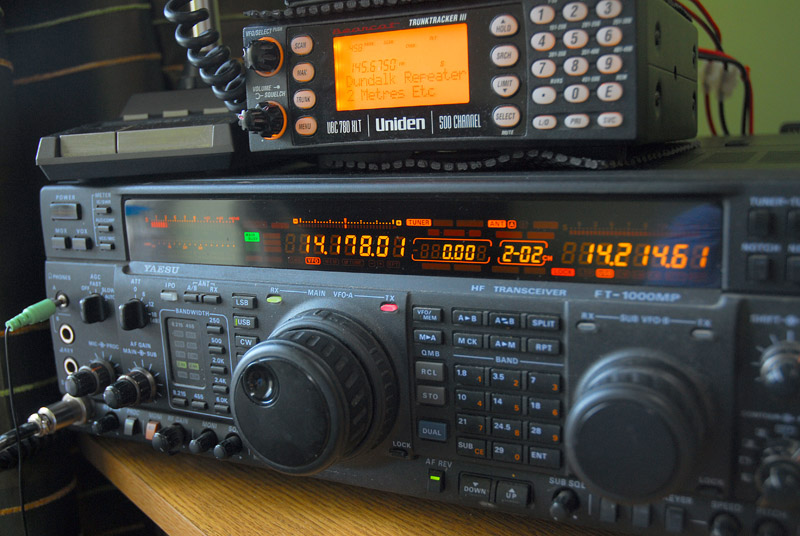
Buying equipment
Handheld transceiver: A good starting point is a handheld transceiver (HT) for VHF/UHF bands. These are relatively inexpensive and can help you get on the air quickly.
HF radio: It's good fun to have an HF radio, and several rather affordable options are available.
Research: Read reviews and ask for recommendations from experienced hams.
Consider your interests
Your interests (like digital modes, satellite communication, or HF operation) will dictate the type of equipment you need. HF transceivers are essential for long-distance communication but tend to be more expensive.
Where to buy
Local amateur radio stores: These can provide the advantage of hands-on advice and support.
Online retailers: Websites specializing in amateur radio equipment offer a wide selection. Some popular online stores include Ham Radio Outlet and DX Engineering.
Hamfests and swap meets: These events are great for finding deals on used equipment and networking with other hams.
Online marketplaces: eBay and other online marketplaces can be good sources for used equipment, but be cautious about the condition and return policies.
Join a club
Many amateur radio clubs have equipment that members can use or borrow. Joining a club is also an excellent way to gain experience and learn from seasoned operators.
Safety and compatibility
Ensure that any equipment you buy is compatible with your license class and understand how to operate it safely to avoid interference with other services.
Remember, amateur radio is a hobby that encourages learning and experimentation. Your needs and interests may evolve, so consider starting small and gradually expanding your setup as you gain experience and discover the aspects of the hobby that most engage you.