- Amateur Radio
- Becoming a Ham
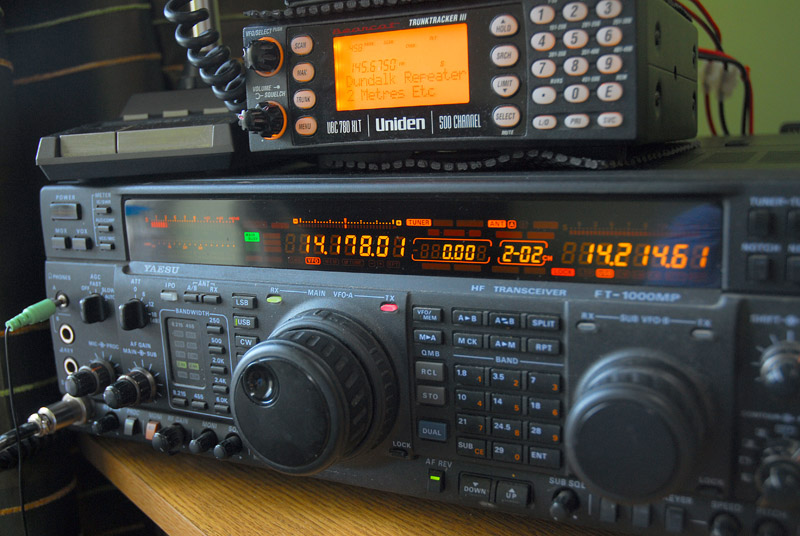
Become a radio amateur operator
Start by familiarizing yourself with what ham radio is, how it works, and what it can offer you. There are many resources available online, including websites, forums, and YouTube channels dedicated to amateur radio. Understanding the basics of radio theory, operations, and the various frequencies and modes of communication will serve as a solid foundation. You should also look up and show up at meetings at the local radio amateur club. Joining them in various activities could be a lot of fun! This way, you will know if this is a hobby for you :)
2. Study for the license exam
To legally operate a ham radio, you need to obtain a license from your national telecommunications regulatory authority. This usually requires passing an examination that tests your knowledge of radio theory, regulations, and operating practices.
Find study materials: There are many study guides, books, and online resources available. A popular option include the ARRL (American Radio Relay League) handbook in the United States. There is a similar book in Norway and other equivalent organizations in other countries would probably their own.
Online courses and practice exams: Consider taking an online course and practicing with online exam simulators. These tools can help you gauge your readiness and familiarize yourself with the format of the actual exam.
Onsite courses: Many clubs hold courses regularly. Check your local club.
3. Take the exam
Once you feel prepared, you need to find an exam session in your area. In many countries, volunteer organizations administer the exams.
Exam Details: The exam typically covers technical aspects of radio, regulations, and operating practices. The complexity of the exam can vary depending on the level of license you're applying for. In some countries, there are multiple levels, each granting different privileges.
Registration: Check how to register for an exam in your area. Some places require you to sign up in advance, while others may allow walk-ins.
4. Obtain your license
After passing the exam, you'll receive your amateur radio license and a call sign from your national regulatory body. This call sign is unique to you and will identify you during radio communications.